The Moment that Infinite Jest Broke Me

In my first official Infinite Jest post, I discuss the moment I could finally relate to Hal Incandenza, junior tennis wunderkind and dictionary memorizer extraordinaire. Reader, I wept.

Sandman Re-Blog Issue #15

Into the Night, or, Sandman meets Infinite Jest.

This is default featured post 3 title

Go to Blogger edit html and find these sentences.Now replace these sentences with your own descriptions.

This is default featured post 4 title

Go to Blogger edit html and find these sentences.Now replace these sentences with your own descriptions.

This is default featured post 5 title

Go to Blogger edit html and find these sentences.Now replace these sentences with your own descriptions.

Friday, 31 December 2010

Hey guys, all pages now consolidated at theoncominghope.blogspot.com. Come on by!

Thursday, 2 December 2010

Monsters (Gareth Edwards, 2010)

 
Review originally written for  The 405, here: http://thefourohfive.com/reviews/3138

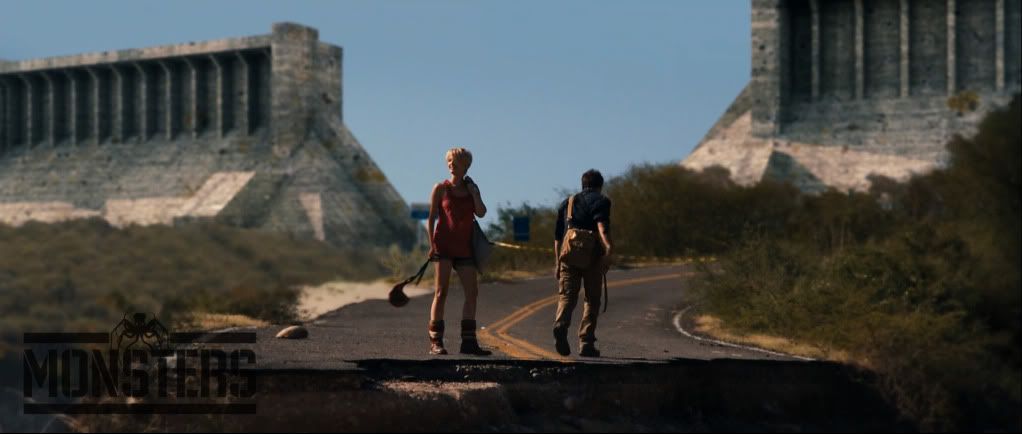
Let me begin by telling you what Monsters is not. It is not Skyline, this year’s entry into Hollywood’s annals of over-marketed bad ideas. It is not District 9, last year's big low budget sci-fi success. Monsters, like great indie classics such as Before Sunset and Lost in Translation, uses a fantastical setting to tell an essentially human story. It starts when the horror story is long over and other stories begin to take precedence.

Monsters jumps off from a classic sci-fi springboard: a space shuttle finds alien life on one of Jupiter’s moons, then crash lands on Earth, leading to alien invasion and widespread disaster. The film picks up six years after the threat has been ‘contained,’ and shows how a world adapts to its new reality, where quarantine zones and seasonal ‘infections’ disrupt daily lives in multiple ways. The actual containment is achieved by a clumsy metaphor for US immigration policies, a gargantuan stone wall separating the United States from Mexico.

Following a new breakout of infections, a wealthy businessman enlists photographer Andrew Calder (Scoot McNairy) to bring his stranded daughter, Sam (Whitney Able), back home to her fiancé. While they had the money to get back by sea and completely avoid the infected zone, a Random Plot Contrivance leads to the theft of all of their money, and so this improbable couple set off into the danger zone.

What makes Monsters unique is its intent to find moments of true beauty amongst the devastation and horror. Traveling through the most dangerous infected zones in Mexico, Edward's camera pays loving attention to our first encounters with the alien offspring, which have a gorgeous bioluminescence that calls Avatar to mind. Filmed in various parts of South America, director Gareth Edwards takes full advantage of the exotic locales available to him. The use of a cheap ‘pro-sumer’ video camera makes you feel that you’re right there with Calder and Sam. The camera moves with glorious close-ups of indigenous flora and fauna, making maximum use of available light.

Apart from the two leads, all the roles are taken by locals conscripted to join the film as it went along. This leads me to one of my chief complaints about the film: Edwards allow his actors to improvise dialogue, and this often feels, well, improvised. Not all of it rings true, and many of the ‘observations’ made, especially by Sam, feel inane or trite. But this isn’t a talky film, so it doesn’t detract from the overall experience.

The monsters themselves don’t actually appear until the final ten minutes of the film. In my favorite scene, Calder and Sam have finally made it into Texas and are waiting for the military to retrieve them from a gas station in the middle of nowhere. When a monster finally appears in full view, so big that even fear seems pointless, terror transforms into curiosity. Calder and Sam know they can’t win in a fight, so instead they wait and watch as one alien meets another in a sort of interpretive dance. This moment of unexpected humanity brings tears to our heroes’ eyes, and to ours.

Much has been made of how Edwards essentially created all the CGI effects on his own, on his computer, rather than relying on green-screen. Somehow, with an overall budget circling $15,000, he has managed to create one of the most visually engaging films of the year, where you feel that the only thing separating our reality from theirs is a screen.

Tuesday, 23 November 2010

To Made In Dagenham, An Apology


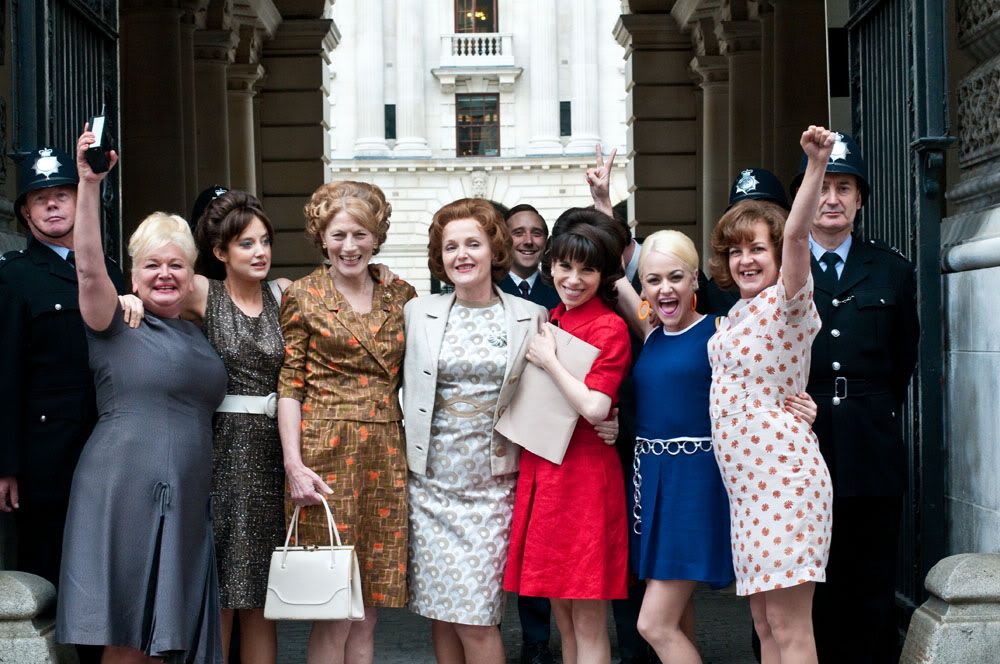
Now that Made in Dagenham has arrived in the US, I revisited my original review (here). I am quite disappointed in myself, in that I find it a bit patronizing, which absolutely does not reflect how I feel about the movie now, upon reflection, and it CERTAINLY does not reflect how I felt when I actually watched it. I loved it, and had never felt so full of positivity. And would tell anyone to see in a heartbeat. Again and again. The power of its story is more than enough to overcome certain stylistic choices.

That review was one of the earliest I'd written in this blog about 'new movies,' and I suppose I was trying to mimic the more sarcastic variety of professional critic (even now I'm still experimenting with various styles). Well, apparently I succeeded, but I ended up imitating the wrong guy. Many of the reviews written by males (and some females, to be fair) focus on the movie's twee-ness, jauntiness, and general frothiness. On the other hand, most of the reviews I've read by females focus on celebrating the film, its open feminism, and the strength of these women's accomplishments.

There is a sad irony that, the same week that this film was released in the US, the Senate declined to vote on the Paycheck Fairness Bill. The bill already passed in the House, it just needed Senate approval. In the face of failures like these, the value of an uplifting celebration of female revolt increases tremendously. In some ways, it's a more political statement to create a joyful story of success that keeps our eyes on the prize. Why? Because it's inspiring. It keeps us fighting. There comes a point when tales of strife only break our morale and our will to continue. Of course we need to be realistic. But we also need stories to remind us of the powerful impact of success based on collegiality and togetherness and leadership.

So, so what if it's more like a two-hour celebration of women instead of a hard-fought journey to victory? The sad truth is, the only people that are vocally celebrating women publicly in the US are Sarah Palin and the Mama Grizzlies.

Thursday, 11 November 2010

Oscarbait 2010: The Kids Are All Right

Hug?

I used to love Julianne Moore, but it's no secret to those who know me that I think Julianne Moore's Boston accent to be the biggest travesty that 30 Rock has ever inflicted, and that happened in a season that was already fairly terrible. Since then, I can't really look at her without squinting angrily and thinking "I Hate You." So it certainly helped that she was sort of the villain of the piece here (inasmuch as this type of movie has 'villains.') Though her presence did give me the chance to spend an unnecessary amount of time wondering why someone had apparently left Julianne Lewis in an oven before shooting the film (JOHN BOEHNER LEATHER-FACE TAN).

The Kids Are All Right tells the tale of a married lesbian couple whose children have come of age and want to know about their biological father. That man turns out to be a hippie motorcycle god of virulity played by Mark Ruffalo, whose pheromones are so strong that he can apparently turn lesbians (at least ones with bad Boston accents). He gets on immediately with the kids, and then gets it on with Julianne Moore. His presence as an interloper has all sorts of effects, turning the family upside down by bringing various insecurities into play. Also it's Mark Ruffalo, and he is hot.

The movie also has some of the funniest scenes in recent memory, including a brilliant bit where the son, hilariously named LAZER, discovers his parents' penchant for gay cowboy porn of the exceptionally cheesy variety. We watch as Annette Bening alternately try to fob off and explain their peculiar amusement in a scene that escalates quickly into HORRIBLY AWKWARD.

But the best thing about the movie is Mia Wasikowska, an actress whose last name I hate because the end vowel makes no sense, but I'll get over it (some day). I'm pretty sure she's destined for great things, as she has the right mix of vulnerability, relatable good looks and actual talent. In fact, the trailer has just leaked for Jane Eyre, and I'm fairly certain it's the best casting yet (Jane Eyre baffles me, as I think it's a fairly straightforward novel to adapt, but they've screwed it up everytime).

Oscar Chances:
-Maybe Annette Bening?
-I think a Screenplay nod is in order

Sunday, 7 November 2010

Fur: An Imaginary Portrait of Diane Arbus (Stephen Shainberg, 2006)

Nicole Kidman really gets a bad rap these days. While in many ways it's deserved (has any actress of quality made so many TERRIBLE career choices?), it saddens me, knowing how good her more left-field movies are.

Fur is Stephen Shainberg's follow-up to Secretary, and shows the same tenderness and respect to subjects that may disturb society. While Fur is ostensibly a biopic, Shainberg opts for a more fantastical approach, creating a fairytale imagining of what might have gone one in Diane Arbus's head when she shifted from being a moderately content housewife to developing a one of a kind career as a chronicler of the weird and wondrous.

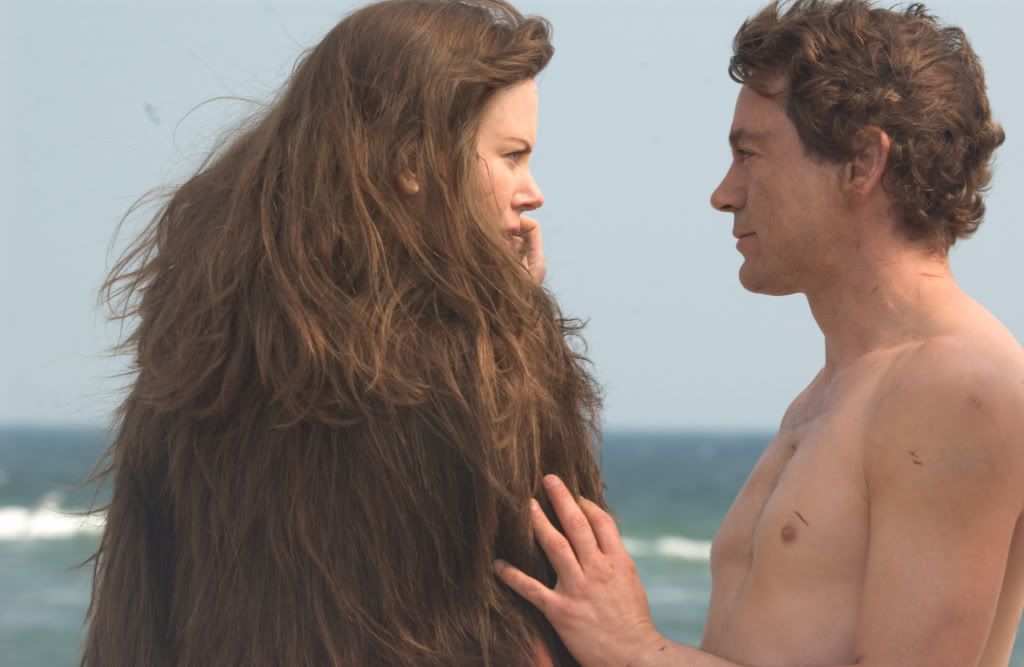
Left is from the movie, right is an Arbus original.
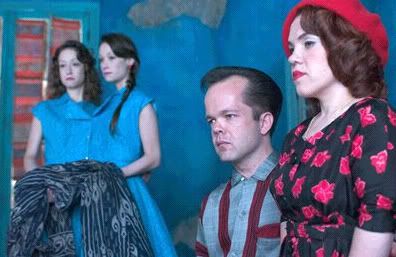
Nicole Kidman plays Arbus beautifully, as Alice descending into the rabbit hole of Robert Downey Jr.'s Lionel Sweeney, a man suffering from an obscure condition where he is covered in fur. Kidman excellently plays the processes behind the way that Arbus transforms every fear into curiosity and develops an overwhelming desire to not only study and document the freaks but to understand them and join them.

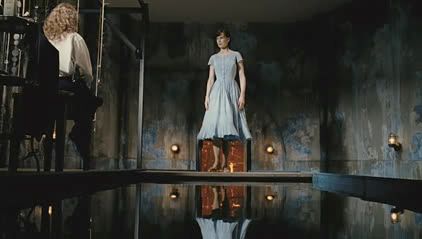
The movie makes no concessions to reality, which I suspect may irritate some people, but I enjoyed the dreamlike (and extremely erotic) atmosphere, where Arbus goes back and forth between a normal, sepia toned family life and Lionel's colorful carnival world.

Not!Modern Family with Phil Dunphy
 
Swimming pools in la-la land (also pretty shot!)
Just as in reality, people are left behind when when one life transforms into another, and our constant reminder of this is Allan Arbus, played with great pathos by Ty Burrell (in a serious role, natch!). You really do feel his pain again and again, as Diane leaves him to manage the business, the house and the children, while she pursues her odd 'fancies.' Nevertheless, and maybe it's the way Kidman plays Arbus, you can't fault her for it, and you can't but help being seduced into that other life yourself (though for the seduction Robert Downey Jr. is to blame, with his lovely, lovely voice).

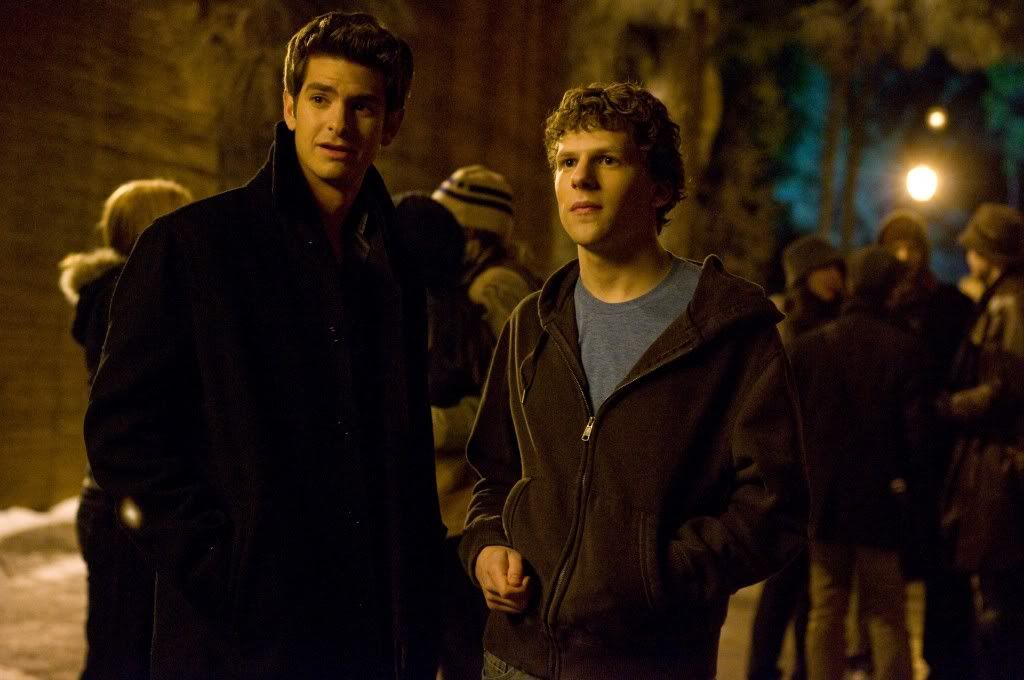
Oscarbait 2010: The Social Network


I know that for many of the people in my generation (the so-called Facebook generation), the main reaction to the announcement of this film was "meh" and a shrug. For whatever reason, the establishment movie-sphere and media (at least 20 years ahead in age) are completely enamored by the topic, while for people my age it's just one tool that exists in our lives (and often a hassle requiring eagle eyes on privacy settings).

So when the critical hoopla about the film reached a fever pitch, I started to question why it was that I had no interest in seeing the movie (not in the theater, at least). Once I enumerate them, I will answer them in the next section, having seen the movie (loved it).
  1. Oversaturation: I was sick of every move that FB makes being front page news, especially when it was starting to be seen as more of a menace than a tool (anonymous bullying, data mining, privacy violations, etc).
  2. Accusations that the film is rabidly misogynistic: these criticisms were loud enough that Aaron Sorkin actually issued a formal response to people criticising the film on this level. Given that he felt a need to respond, it suggested to me (falsely, mind you) that there was some truth to the accusation.
  3. The Aaron Sorkin Factor: I love the West Wing, I LOVE Sports Night, but lets face it: Sorkin's movie output hasn't been that appealing, and I was worried about the fact that, much like his Charlie Wilson's War, he admitted upfront that he invented most of the story.
  4. I kinda assumed it would be boring: This probably ties back into point 1, but having heard so much about Mark Zuckerberg, and yet so little of actual substance, I assumed the movie would suffer the same failing.
Ok, and then, as I was busy riding on my obviously superior lack of need to see this film, my boyfriend got two tickets to see it, and naturally I went. And loved it. Point by point on my own assumptions:
  1. Oversaturation: The greatest thing about the movie is that while it's ostensibly about Facebook, it's really more of a Greco-Roman tragedy of brotherhood. The central line running through the film is the foundation and destruction of the friendship between Zuckerberg and Saverin, and the betrayals and interlopers seeking to hasten that destruction for their own devious ends. That said, I still wish it wasn't 'about' Facebook. The way the story was structured, it would have been interesting no matter what it was about. The acting, the directing, the story itself would have been better served without the distraction of 'facebook.'
  2. Accusations that the film is rabidly misogynistic: I think I'm pretty attuned to (and some might say over-attuned to) slights against the feminist body politic. That said, as with most cases where things just get out of hand, I suspect the accusations were made without any reference to the text: many of the protesters cannot have seen the movie. Those that make the argument in good faith seem to be confusing the admittedly rabid misogyny of the lead characters with some sort of point behind the writer. 'Nerd doesn't get the girl which then drives his messianic desire to take over the universe while maintaining a healthy hatred of women' is a fairly timeless plot, and no one really thinks Star Wars or Buffy is misogynistic because of that theme, for instance. Yes, Mark Zuckerberg treats women like dirt, but to be fair he treats everyone like dirt (except for his idol, Sean Parker)
  3. The Aaron Sorkin Factor: While I dwelled on my worries on this point, apparently I forgot to consider his main strength: cracking dialogue. The dialogue is sharp all throughout, especially Zuckerberg's and the Winklevi's.
  4. I kinda assumed it would be boring: Wrong, wrong, I was oh, so wrong. Did I mention destruction, betrayal, interlopers and hatred? These are strong characters, played by very strong actors (and yes, Justin Timberlake fits into that camp). And of course the soundtrack really strengthens the suspence in the movie. Trent Reznor and Atticus Ross have done a fantastic job, drawing from what sounds like lost tracks from The Downward Spiral. The technoey beats with the soft piano licks is perfect for what's happening in the development scenes: you have the classical desires for greatness and revenge, and the modern weapon known as the internet.
The best thing that has come out of this movie is that finally, FINALLY, people will stop confusing Jesse Eisenberg with Michael Cera. I've seen 4 movies with Eisenberg where he effectively plays completely different characters, while Cera is trapped in George-Michael hell (sad but true).

So, in a nutshell, see it or don't, but I think it's only fair to tell you that it's probably not what you expect. It's certainly not perfect, but it's entertaining and interesting, and you barely notice the time passing by.

Rom-Com Central: L'Arnacouer


Rumors of the death of quality romantic comedy are greatly exaggerated. They're just not made in English. Romantic comedies are meant to be fun, which seems to be an element lost in the equation recently.

L'Arnacouer is essentially a heist movie, but instead of robbing banks, Romain Duris and his gang are in the business of stealing hearts. Specifically, concerned fathers and brothers hire him to break up relationships they see as unfit for their sisters/daughters. So while he is generally pretty successful in his business (providing us with lots of hilarious montage sequences showing his methods and his victims), he inevitable gets the one client who is impregnable to his charms, Vanessa Paradis, better known to us as Mrs. Johnny Depp.

His early failure is a blow to his confidence, perhaps making him a bit more vulnerable, until the inevitable happens. The movie moves in fairly predictable directions (there are certain expectations in a rom-com, after all), but what sets it apart is how much charm its leads have, and how delightful individual sequences are. There were scenes where I was sporfling with uncontrollable laughter, and others where I smiled so widely I was about to break my cheeks. Duris is funny and sexy, and his energy leaps off the screen. His sidekicks are equally charming, especially his sister's husband, who aims to be a suave heartbreaker like he is but instead comes off as a creepy stalker.

Please rush out and see this, because Hollywood is already remaking it, and they are guaranteed to ruin it (I'm not a hater of Hollywood, but they have lost their way in making sweet romantic comedies that are witty and light without being cloying and unbearable. Case in point, Kate Hudson is still hired in leading roles).

Sunday, 24 October 2010

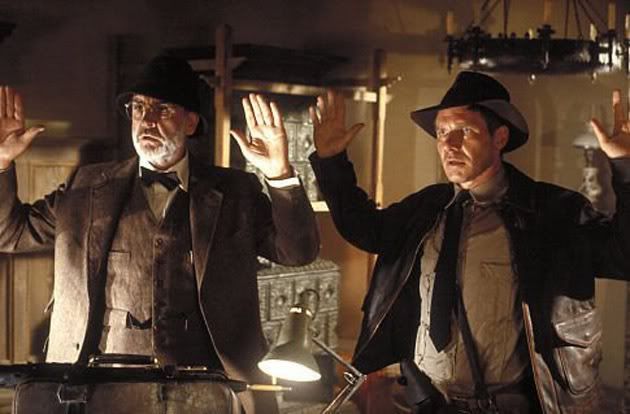
I Know Something You Don't: Indiana Jones and the Last Crusade


Indiana Jones and the Last Crusade was always my favorite Indy movie, for quite a few reasons:

-Julian Glover as villain!
-Inherently over-the-top conclusion!
-Stunning special effects for the time!
-Weird Nazi book-burning subplot!
-John Rhys-Davies!

But most importantly, it was very very funny (and intentionally funny, unlike Temple of Doom).

And now I know why. According to this terrific bit of information,  Tom Stoppard rewrote almost every line of dialogue in the whole movie! (Tom Stoppard is most famous for Rosencrantz and Guildenstern Are Dead (brilliant and hilarious) and for writing the screenplay for Shakespeare In Love (another candidate for criminally overrated, mind you).

He also was invited, along with M. Night Shyamalan, to draft a script for Indiana Jones and the Kingdom of the Crystal Skull, but lost out to David Koepp (screenwriter of Jurassic Park!).

Saturday, 23 October 2010

Actorgasm


What is this movie, and where can I see it? AND HOW DID I NOT KNOW ABOUT IT?!?

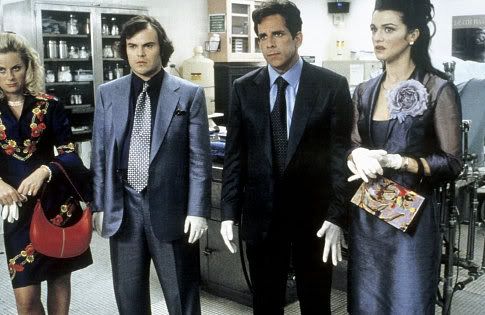
RACHEL WEISZ AND AMY POEHLER!

Wednesday, 20 October 2010

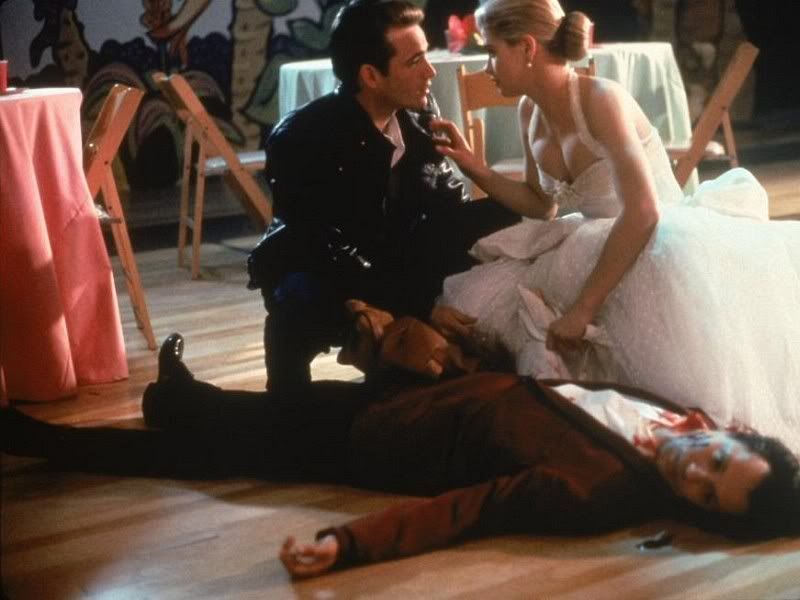
Epic Fail: New Version of The Crow!

It's bad enough that they're making a new version of The Crow at all, but I received a tiny bit of news today that disgusted me.

Thankfully he has yet to accept (and if there is a God, he won't), but the initial offer of the role has gone to....MARK WAHLBERG!

Horrible. The Crow is one of the only comic book adaptations that Hollywood got right with the first try. It perfectly balanced that fine line between camp and classic.

Dear Hollywood, please leave Sandman on the shelf is this is your idea of an effective adaptation.

Oscarbait 2010: Winter's Bone


Two million dollars was all it took for Debra Granik to make the best film of the year, with superb performances from its young leads, and no sacrifice of atmosphere. Jennifer Lawrence stars in this tale of survival in the land of Ozark hillbillies, where the family trade is crystal meth and livestock are the only currency.

Like Precious and Fish Tank, the story revolves around the desperation of one young girl facing a life of extreme poverty and deprivation. But Ree is a different animal; she's tough and she's hopeful, even faced with the knowledge that she might lose her only home thanks to her father's jumping bail. And so she is forced on her own Odyssean quest, facing temptations and threats at every pitstop on the way to the truth.

Winter's Bone has moments of unspeakable violence, proving that sometimes the most dangerous people around you are your own blood. And no one lets Ree down more than her kin, from her bail-jumper dad to her mentally unstable mother. But they're not half as terrifying as Ree's motley crew of 'cousins,' who we meet one-by-one, each with their own brand of domestic abuse, silent recriminations, or open threats.

Without such a compelling heroine, the film might have become unrelentingly bleak, but thankfully we have Ree Dolly to root for. Jennifer Lawrence has already been snapped up by Hollywood, with a lead roles coming up in the new X-Men film. Hopefully, Winter's Bone is just at the beginning of its award run, with the Sundance prize already in the bag.

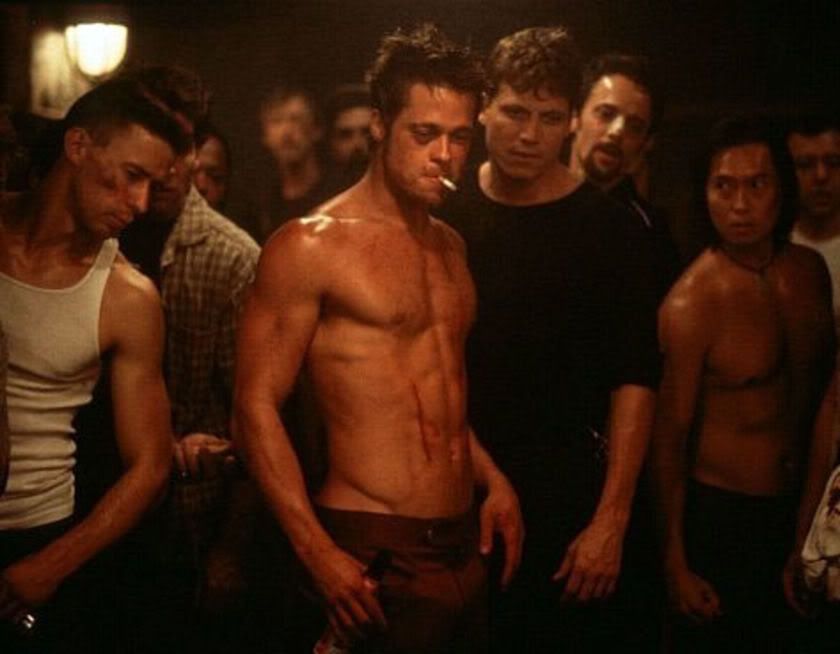
Criminally Overrated: Fight Club


In one sentence: misogynistic twaddle.

Now let me say straight up, I am not one who puritanically hates violence in entertainment; a hallmark of a great film is violence used effectively in the service of character, comedy or horror. I DO have a problem with 'men can only take back their masculinity from evil modern women's equality by BEATING THE CRAP OUT OF EACH OTHER.' It feeds into this whole bullshit theory (that feminists are equally guilty of defending) that men have an innate NEED for violence, that their manhood is inherently tied up with brutality.

That said, I have a general disdain for any story that has a main theme of 'men being emasculated.' Again, the whole concept means there is a clearly defined version of what being a male means, and a feeling of emasculation usually reflects some form of misogny. This misogyny is further reflected by the fact that while the movie tells of the man-destroying feminization of the world, there is only one female character, and that female character is a balls-out male fantasy, ill equipped to challenge the movie's main point (though at least she doesn't confirm it).

This sort of surface deep analysis of social issues is rampant in the film. Now that we've got wussification of men out of the way, lets attack consumerism! In the stupidest, most idiotic, 'I wanna be a Red Army Faction Black Shirt but without any political ideology' kind of way. Back-fat soap is the instrument of horror, but like everything else in this movie, it's cheap and shallow.

Fight Club also commits the ultimate crime in fiction of any form; the illegitimate twist ending. An ending that completely removes the validity of the entire world the audience has been subjected to, an ending that exists only because the writer cannot be bothered to come up with something better.

WOMAN ON THE AGORA
I thought I was alone in hating this movie, but here are some of my more legitimate (employed!) brethren on the film:

Roger Ebert (Chicago Sun-Times): "Fight Club" is the most frankly and cheerfully fascist big-star movie since "Death Wish," a celebration of violence in which the heroes write themselves a license to drink, smoke, screw and beat one another up."

Peter Bradshaw (The Guardian): "But, by the end, it has unravelled catastrophically into a strident, shallow, pretentious bore with a "twist" ending that doesn't work. And it is a film which smugly flirts, oh-so-very-controversially, with some of the intellectual and cultural paraphernalia of fascism - but does not have anything like the nerve, still less the cerebral equipment, to back this pose up."

And my personal favorite, by Lisa Schwarzbaum (Entertainment Weekly): "The giant international furnishings chain IKEA is responsible for many consumer-based phenomena, among them our docile acceptance of cheap, hinged desk lamps that droop like spent lilies. But I hadn't realized that overexposure to IKEA results in limp penises, too, until I saw Fight Club. David Fincher's dumb and brutal shock show of a movie floats the winky, idiotic premise that a modern-day onslaught of girly pop-cultural destinations (including but not limited to IKEA, support groups, and the whole Starbucks-Gap-khakis brand-name axis) has resulted in a generation of spongy young men unable to express themselves as fully erect males. And that the swiftest remedy for the malaise lies in freely and mutually beating the crap out of each other -- bleeding, oozing, cracking, and groaning until pulped bodies crumple to the floor in a poetically lit heap."

Tuesday, 19 October 2010

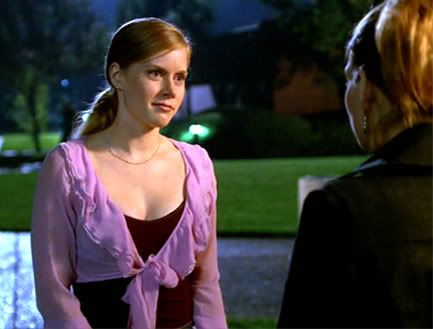
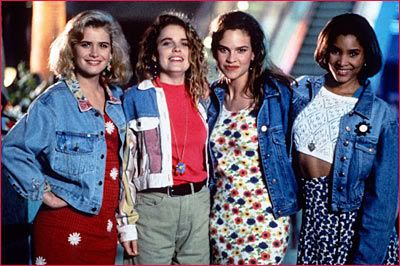
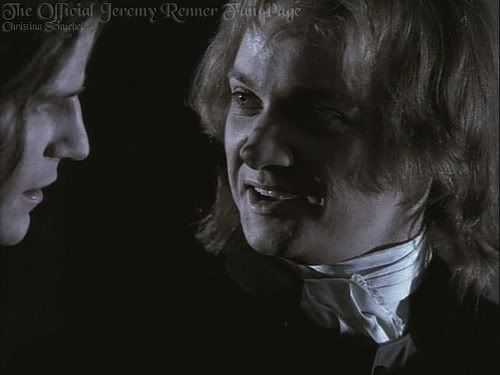
Before They Were Stars: Oscar Nominated Actors Who Were In the Buffyverse


Hello all, today's special feature is about Buffyverse actors who have gone on (against all odds in some cases) to be recognized by the Academy for their professional excellence (which was resolutely NOT on display back in ye early days.)

First on our menu is Amy Adams, who had the misfortune of being related to Tara, the most annoying character to ever hit Buffy (though there is much competition). You can see that Amy Adams perkiness on display already.
Then, of course, we have Ben Affleck, in another of his many pointless roles as a bullying high school jock in the original Buffy movie. He DEFINITELY goes on to bigger things (including, but not limited to, J.Lo).


See the third one from the left? There's a multi-Oscar winner on the table! Back in the day, Hilary Swank played the Cordelia equivalent in the Buffy movie.


Finally, recognize that guy? He was trapped in a bad Irish accent contest with David Boreanaz in an early episode of Angel. That's Jeremy Renner, star of the Hurt Locker, playing a vampire that Angelus mentored in the ways of evil. The episode is one of the better season one episodes, actually contributing to the overall mythology, and ending with a lovely scene between Angel and Cordelia.

I need a better name for this series than Before They Were Stars. Ideas appreciated.

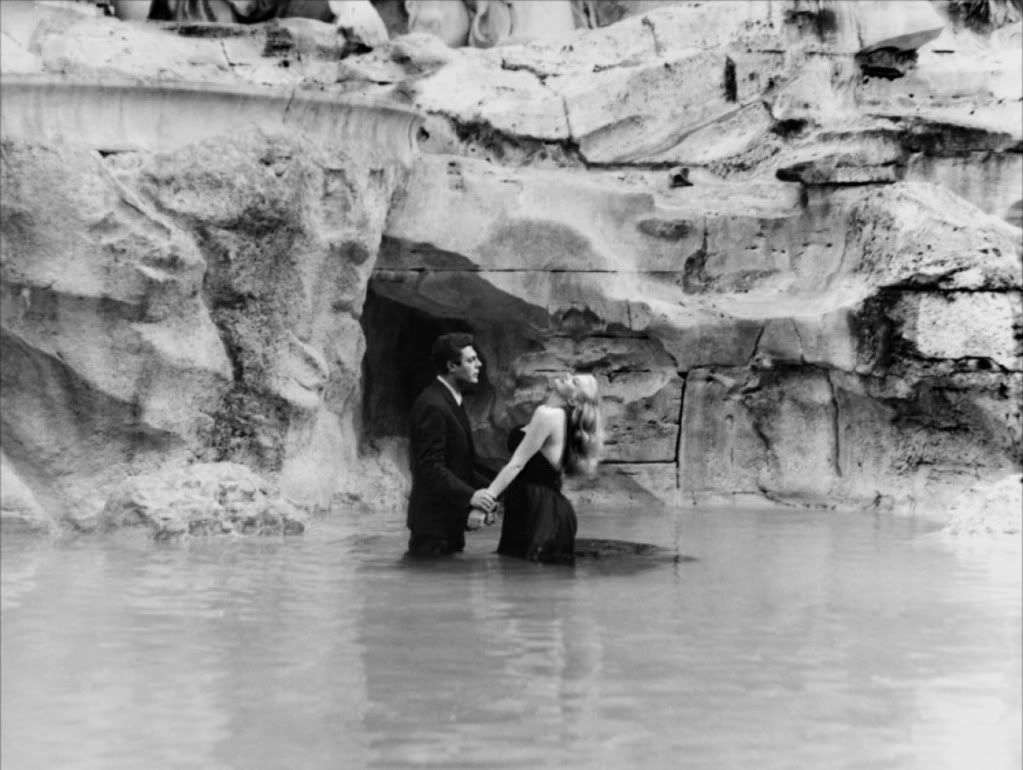
Tried and Failed: La Dolce Vita


Welcome to Tried and Failed, about those movies you've tried to watch on multiple occasions but never made it all the way through. Our inaugural post is the movie that inspired the whole series: La Dolce Vita, considered one of the all-time greats, and a Fellini masterpiece.

I confess, I still have yet to see a Fellini film, and that's probably because this one bores me so thoroughly everytime I try to watch it. I know it's meant to be one of the most beautiful films ever created, I know it invented the word paparazzo, I know I am an utter, utter failure as a film buff, but I've given it five tries, and have never made it past the first 30 minutes.

Marcello Mastroianni plays a skirt-chasing man about town, leaping from woman to woman without the joie de vivre that can make womanizing compelling to watch on screen (See Don Draper). One of his more famous pickup lines: "You are the first woman on the first day of creation. You are mother, sister, lover, friend, angel, devil, earth, home."

Horrible.

Marcello is pretentious and transparent, and thinks very highly of himself while we are given no indication why. Maybe this changes later in the movie, but I don't really care. La Dolce Vita is forever landed on the reject pile.

Tuesday, 12 October 2010

The Girl Who Played With Hornets


Ah, Stieg Larsson, thank you for contributing to an 8 hour episode of Law and Order: SVU, where shocking revelations trump character but you can't wait for the villains to get their comeuppance.

I'm writing about the second two movies as one because they tell two sides of the same story: who is out to frame Lisbeth Salander, and why. And just like Law and Order, the first half (in this case The Girl Who Played With Fire) shows the gripping detective work, the ethically questionable shortcuts, the discovery of the facts. The second half (The Girl Who Kicked the Hornet's Nest) is framed by Lisbeth's trial, and the race against time to get Millenium published and to find the necessary evidence to prove Lisbeth's innocence.

THE REAL HEADSCRATCHERS
I really did enjoy the film, so while I had a LOT of issues, the whole fit together so well that some of the sillier elements didn't impact my overall enjoyment. But still.

First of all, my GOD was there a paper trail. There were an astonishing number of scenes with Blomkvist walking into a room and throwing a file on the table and proclaiming the finding of new evidence. Perhaps they were printouts of online finds, but entire scenes were devoted to masked motorcyclists stealing papers. If there were electronic originals, that's a bit silly and pointless right?

Secondly, when Blomkvist is hiding in Lisbeth's apartment, the evil masterminds apparently don't know where he's staying. And yet there are scenes where it's shown that they have him followed constantly. Quoi?

Third, Niedermann of the analgesia? I have one word for you: Jaws. He was such a typical James Bond proto-villain, with no real motivation or character of his own, built like a brick wall, murdering people completely at random (and often in really silly ways).

Which brings me to the fight scenes. Some of Niedermann's fight scenes were worse than the greatest excesses of Bollywood. The only thing that was missing was DISHOOM.

HEADSCRATCHERS BUT I DON'T MIND
Love that Lisbeth's idea of 'properly dressing up for court' is to wear a mohawk and chains. Though really I imagine that puts you into contempt in pretty much any court.

OVERALL
Ultimately though, despite any number of flaws, I am prepossessed to love any movie that shows the villainy of 'Men Who Hate Women' and then destroys them.

But I have to admit, while the movies were suspenseful and dramatic, there was a thought in the back of my head that, with the exception of Lisbeth herself, most of the characters were quite impotent in their game of cat-and-mouse. Most of the head honchos of the secret Section were physically disabled (which didn't make them any less scary), which basically meant you had a number of scenes of talking heads in their various lairs. Blomkvist couldn't do anything without the help of the government in the end, and their protection. He was demonstrated as unable to protect himself or his colleagues.

But this is why Lisbeth comes off as such a powerful character, and why we are constantly impressed by her, and are 100% rooting for her even when she does things we would never condone.

Saturday, 9 October 2010

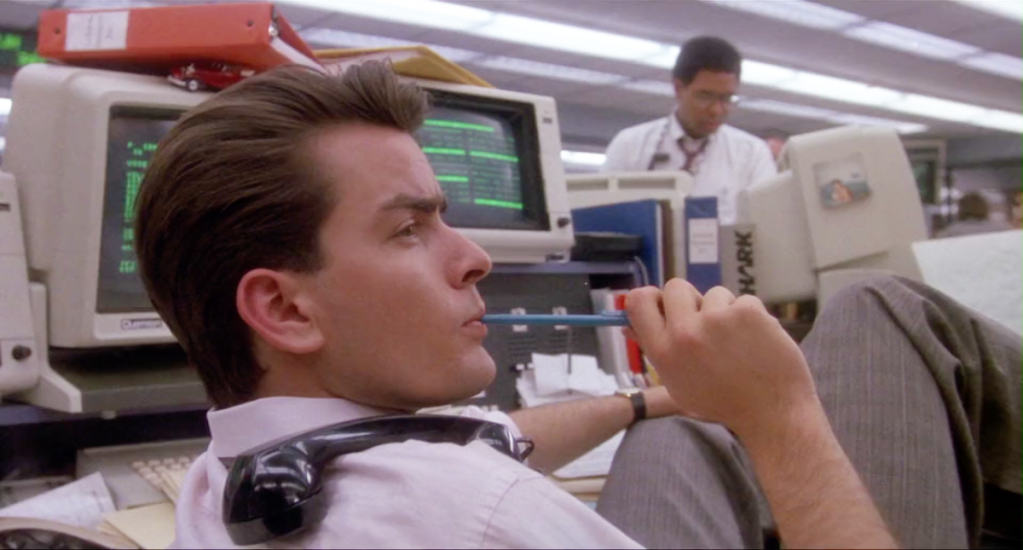
Filling the Gaps: "Greed is good", Wall Street


WHY I HADN'T SEEN IT
While it has one of the most recognizable quotes ("Greed is good.") and one of the most famous villains (Michael Douglas in an Academy Award-winning performance as Gordon Gekko), I was under the impression the movie itself wasn't that great. It seems like a lot of people who reviewed the movie back when it came out complained about the 'liberal moralizing,' but those same critics now hold Gekko's attitude and behavior as a harbinger of our Great Recession. And really, it tells of financial manipulation that only increased through the 1990s and today (see Soros's breaking of the Sterling, for instance).

THE MOVIE
Wall Street, in its broadest sense, tells the story of desperately bored Bud Fox (Charlie Sheen), longing to get ahead in his career and easily seduced into a less than reputable lifestyle by financial shark Gordon Gekko. Throughout his descent and subsequent redemption, he vacillates between the angels on his shoulder. His father (Martin Sheen), a hardworking union man, and Bud's boss try to keep Bud on a moral line, where there are no shortcuts to financial success. Gekko, however, sucks Bud in with a life of easy money, women and prestige, in exchange for what seemed like a minor trade-in of principle.

In the first few shots of the film, we meet Bud Fox getting onto a crowded elevator; he can already be seen as the slickest, oiliest looking person in the shot, hinting at his future corruption. Like Vito Corleone, he's not that "good" at the start, he just hasn't had the opportunity to sell his soul as yet. However, I had issues with Charlie Sheen's acting. Most of the time it was fine, but there were times when he seemed to predict Christian Bale's manic energy in American Psycho, which fit into the style of that movie, but definitely was jarring here. The best scenes were with his father, when he didn't seem to emit an air of complete disconnect with the world around him.

We hear about Gekko before we see him; he's an unapproachable pillar of the community that Bud had to call 59 days in a row before earning a 5 minute hearing. He certainly has a strong force of personality, but as I mentioned, Bud was never incorruptible, so Gekko doesn't have to drive too hard at him. But Gekko drives too hard anyway, and that's how he loses Bud. There were instances when I thought Gekko is really not the criminal mastermind that he fancies himself to be.

Side note: what is up with Daryl Hannah? She really does ruin everything she's in (except Bladerunner and Kill Bill). Seriously, no dramatic roles for her. And her RIDICULOUS outfits.

OVERALL
Side note: Am I the first person to notice that for whatever reason, it's a bunch of women leaving the auditorium when Gekko begins his iconic speech?

Wall Street provides strong insight into the mentality of a certain type of financial professional - the ones that pursue money, more money, at no cost. While a lot of the chicanery used in this film died when the internet came along, it's not difficult to imagine this sort of manipulation is still going on, just harder to trace.

The story was suspenseful and gripping, but I wonder how much of it is incomprehensible to those that don't follow or understand the stock market (judging by the media, lots)

I'll leave you with the most telling exchange in the film, between Bud and Darian during an intimate moment on the beach:

Bud: "Well, what do you want?"
Darian: "A genuine Turner. World peace. The best of everything."
Bud: "Why stop at that?"
Darian: "I don't."

Thursday, 7 October 2010

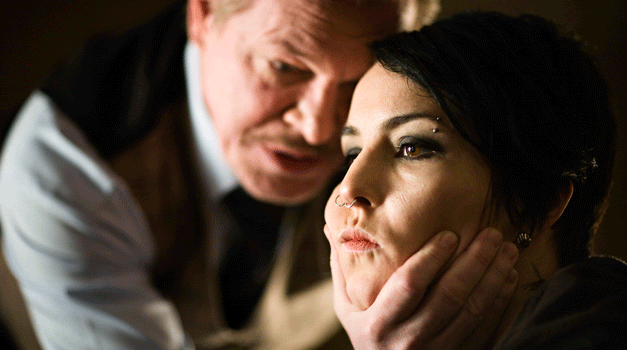
"The Girl With the Dragon Tattoo"


My colleague Julikinsbooks just wrapped up a few posts on the Millenium Trilogy and recommended that I write about the film. Now, since I am apparently the only person in the world who has yet to read The Millenium Trilogy, I honestly did not know what to expect. All I knew at the time was that:

-The lead character is a fearsome feminist badass
-Stieg Larsson is a mystery writing feminist badass

Overall, it was a better-than average thriller, but I still felt like it played pretty much by the numbers. Michael Nyquist was capable and charming in his grizzled investigative journalist role, and acts pretty much as you'd expect a grizzled journalist to behave.  Noomi Rapace is fantastic, she steals every scene she's in as the moody and unpredictable Lisbeth Salander.

But while having a superb cast is usually a boon for movies, in this case it highlights the central problem. It has two characters who could easily be the focus of the story, and tries to have it both ways by telling  two separate stories for the first half of the movie. By the time they come together, the story felt a bit disjointed. And the second half is paced and plotted like a typical action-thriller-mystery.

Perhaps I'm being too harsh. In truth, almost every scene is excellent, it's just that their coming together didn't really work for me. Blomqvist's initial investigation scenes take full advantage of remote, snowy Swedish locales, threatening and isolated. Salander's scenes with her "guardian" are loaded with menace, and she turns the tables in a most violent and unpredictable way.

I think though, fundamentally, the movie's a bit too fantastic. Salander's revenge is the ultimate in rape-revenge fantasies. The idea that Lisbeth would be so attracted to a man 3 times her age is a dirty-old-man fantasy (he is good-looking, but he's EXTREMELY square compared to Salander, and the movie fails to really show them build their relationship apart from solving the case).

Nonetheless, I will see the second movie, and am looking forward to the American remake (Daniel Craig fits the bill perfectly, though again we're going to have the two strong and separated leads problem).

Tuesday, 5 October 2010

Oscarbait 2010: Fish Tank


*Note: While Fish Tank came out in Britain last year, it came out in the U.S. this year, and is in fact eligible for the 2011 Academy Awards.

I waited a long time to see this movie, mainly because it was drowning in hype. I'm not sure I waited long enough, as the first half of the movie didn't live up to anything I'd heard. While beautifully filmed, acted, and directed, the story moved all too predictable to a certain point. But man, once it reached that point, it explodes in a hundred different directions, none of them expected.

Fish Tank tells the story of a tough 15-yr old girl living in an Essex council house. When it was first released, it was promoted as a sort of white, British Precious (which I have yet to see). But while the specter of Precious has faded since the controversy it generated, Fish Tank has remained a part of the film conversation.

As I mentioned, it is beautifully directed. Director Andrea Arnold knows colour, and she knows flesh, and she teases eroticism out of the most unsexy moments, reflecting Mia's sexual awakening in the film.

The film opens with a surprisingly non-judgemental tour of Mia's home, which encompasses her drunken and emotionally distant mother's tiny flat, the estate, and the surrounding parking lots. To face harrowing circumstances (often of her own making, to be fair) she puts her energy into her dancing (there will be no comment on the quality of that dancing here. Suffice it to say, myself and the friend I watched the movie with have a new patented dancefloor move called "The Fish Tank," which I suspect endears us to no one at all.)

After a particularly frightening incident involving travellers (that's gypsy to you Americans), Mia wakes up to find a man in the kitchen; her absent mother has taken a new lover. Mia's lust goes completely undisguised, as Arnold's camera caresses Connor's (Michael Fassbender's) half naked body. The spell is just as suddenly broken when their interaction is reduced to making tea.

From that moment on, every scene they share is erotically charged, whether they are alone on the screen or accompanied by Mia's mother or sassy little sister. This is what I referred to earlier, as the movie moved slowly and predictably toward certain good-at-the-time bad ideas. Then, after that anticlimactic but utterly necessary turning point, the film's pace shifts from a slow tiptoe to a swift tumble through events dark, emotional, and downright terrifying.

Part of what made this an excellent film is that we are not merely watching Mia be exploited; Mia was borne into unfortunate circumstances, and we see her do the best she can to face them; and her best is often wrong.

Friday, 1 October 2010

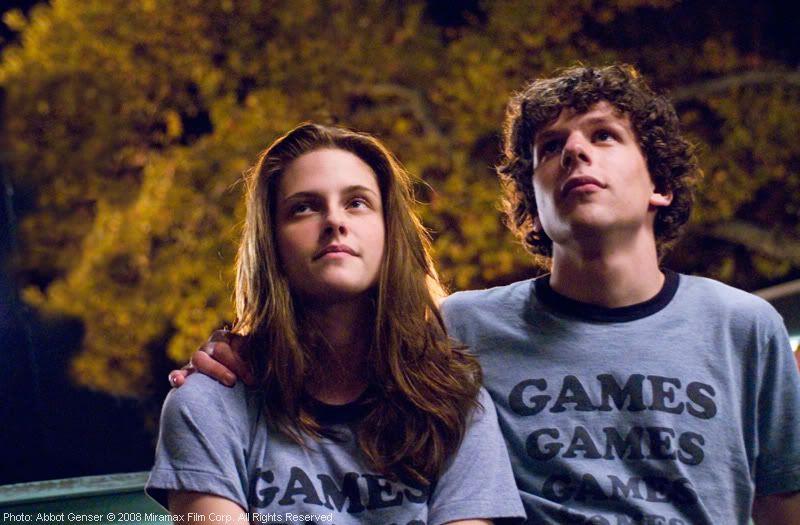
Adventureland (2009)


When I was an awkward teenager, leading a life of superficial relationships and (more importantly) envy of my more regal and attractive classmates, I feasted on the films of John Hughes, even though they were more than 10 years old at that point. Like so many other anguished adolescents, I saw myself in Molly Ringwald. I watched videotaped versions of Sixteen Candles and Pretty in Pink so many times that I actually burned through the physical tape!

Teen angst was universal in a deep, personal, emotional way that still makes you feel part of something more. There's a part of me that is still on the watch for teen movies that are reviewed positively, films that can bring back that bizarre mental stew of alienation and hopefulness.

Adventureland definitely managed to achieve that, though the characters aren't quite teenagers (they're recent graduates from college). It helps that Jesse Eisenberg and Kristen Stewart look approximately the right age, which adds a touch of realism to their post college vulnerability, that special feeling that greets all liberal arts majors when academia ends and real world enters.

I'm not gonna talk too much about the plot except to say that anyone who's ever done a crappy summer job will easily relate to this particular gang of misfits, beholden to running an old-fashioned amusement park in the late 1980's. The movie ended just where it needed to, before my natural cynicism interfered with my enjoyment of certain deepening relationships.

Final note: Superb soundtrack! Best of the late 1980s.

Sunday, 26 September 2010

Sci-Fi Sunday: Sunshine


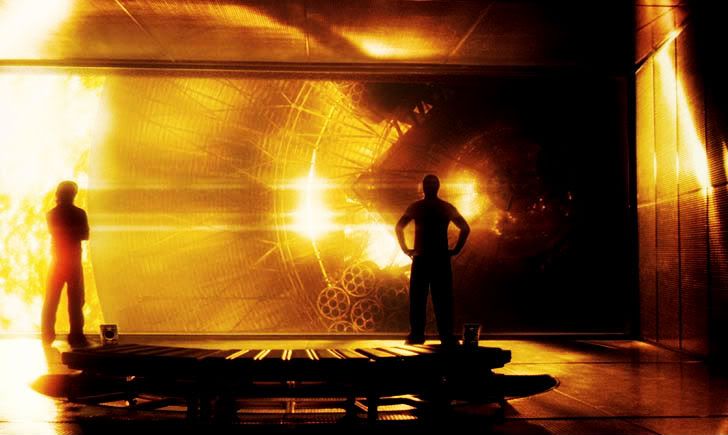
Sunshine is Danny Boyle's meditative and haunting imagining of a future where the sun is ailing, but can still be saved. The movie was sold as a sort of science fiction thriller, when really it's a much slower affair.

A team of scientists have been sent aboard a spaceship called Icarus II to blow up the inside of the sun to reignite it (wibbly wobbly timey wimey). The issue didn't rankle at first, but really there was no internal logic to the selection of the team members, who were basically one essential physicist (strongly played by Cillian Murphy, in a role similar to his in 28 Days Later), and a bunch of expendables. As we were reminded in numerous conversations about people being expendable.

Chris Evans was surprisingly tolerable in his American flyboy hothead role, and was given slightly more of an inner life than his compatriots. In a typical Hollywood action movie, he would probably have been the hero of the day, instead of gamine Cillian Murphy. Rose Byrne has almost no purpose in the movie, apart from being slightly more intelligent than her crewmates. The rest of the characters are literal ciphers: the crazy one, the honorable commander, the psychiatrist who gets lost in his own humanity, eco-obsessed Asian, etc. So when characters die, it's hard to feel too sad. Oh look, there goes another stereotype!

The visuals are absolutely stunning; this must have been real eye-porn in the theatres. Every shot is calculated for maximum impact. The sun, which is normally a giver of life, has never been scarier, or more larger-than-life. Which brings us to another of the problems with the film. The sun is a powerful character, beautifully presented, representing both threat and hope. When our heroes face the more menacing aspects of it (the brightness, the heat) the crew's fears are understandable and constantly present.

But when the villain shifts to Pinbacker, the captain of Icarus I, (the name Icarus just conjures up hope, eh?) the plot becomes more fragmented (as do the visuals, the space-shift whenever Pinbacker's around is irritating). We don't really know why he became so warped, how he faced the sun and lived, or why he's so committed to making the mission fail. In the end, he is no more a character than any of Boyle's zombies in 28 Days/Weeks Later. The original fight between man v. nature is much more compelling, as is the internal tension between saving humanity v. maintaining your own humanity.

If I sound a little too negative, it's only because the movie was frustratingly close to perfection. If we just knew a little more about Pinbacker and what happened on Icarus I, and why he became a glorified Reaver. If we got just a little more backstory about the characters, not too much, but just enough to make us care. As I mentioned, the direction was stunning and the soundtrack was moody and evocative.

3/5 stars

Share

Twitter Delicious Facebook Digg Stumbleupon Favorites